
The blue light from a tablet screen hits a child's face at five in the evening while the battery bar turns red and starts to blink. This article shows how a simple piece of paper stops the digital noise and gives a child something real to hold and finish.
The physical resistance of real paper
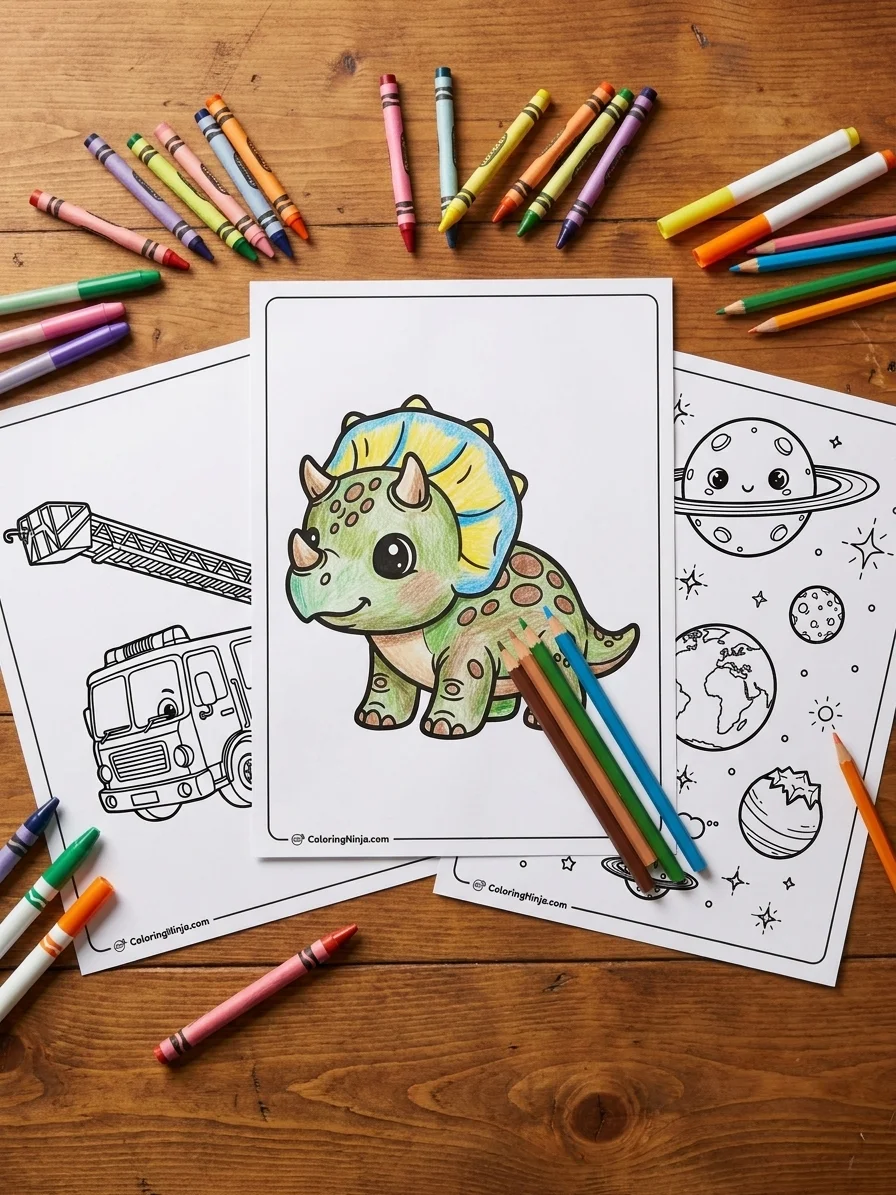
A yellow crayon snaps in half under the pressure of a small hand. The wax leaves a thick, uneven line across the white page that you can feel with your fingertip when you run your hand over it. Digital screens do not have texture or resistance, but paper pushes back just enough to make the hand work. When a child colors a fire truck with its ladder up, they have to navigate the small spaces around the wheels and the lights. This requires a level of control that a glass screen cannot provide because there is no friction on a tablet. The sound of the crayon rubbing against the paper is a constant, low hum that fills the room instead of the loud pings of a game.
We recommend using heavy paper if you have it, but standard printer paper works for most projects. You can see the way the ink or wax sits on the surface rather than glowing from behind a pane of glass. This physical connection to the work makes the child stay in one spot. They aren't swiping to the next video or clicking an ad that takes them away from the task. They are looking at the black lines of the ladder and the heavy tires and deciding which red to use. It is a slow process that rewards patience. You can see the progress in the way the white spaces disappear one by one. This is better than a digital coloring app where a single tap fills a whole shape instantly. That instant fill takes away the work and the pride of finishing a difficult corner.
Managing the noise of endless choices
A child stands in front of a shelf with ten different toys and cannot decide which one to touch first. Digital platforms are worse because they offer thousands of flashing icons all at once. When you go to our site, you see a clear layout with categories like animals, cute, flowers, and dinosaurs. You pick one category and print a single page. This limits the choice to something manageable. We have more than 3,200 free printable coloring pages, but the child only sees the one you put on the table. This stops the frantic scrolling that happens on a phone. The child looks at a dinosaur with three horns and a long tail and knows that this is their project for the next twenty minutes.
Every page on our site has a Print PDF button that is already sized for Letter and A4 paper. You do not have to mess with printer settings or worry about the image being too small for the page. There is also a JPEG download if you want to save it for later. We think it is better to print three specific pages than to give a child a device with a million options. It sets a clear boundary for the activity. When the three pages are done, the activity is over. This prevents the meltdown that often happens when a screen is taken away. The paper is a physical object that belongs to them, and they can see exactly how much work is left to do.
The power of a personal name
A child sees their own name written in large block letters and their eyes go wide. They recognize the letters but seeing them as something they can color makes the name feel like a prize. You can use the homepage generator to turn a plain sentence into a black-and-white coloring page. You type in a sentence and the tool creates the outlines for you. This is perfect for making a page with the child's own name on it surrounded by stars or hearts. It makes the child feel like the page was made just for them. This personal touch keeps them at the table longer than a generic page ever could. They want to make their name look as bright and bold as possible.
Visitors can make three pages with the generator before they need to create an account. A free account comes with three more credits to use. If you find that you are using the tool every day for your classroom or your home, fifty credits cost two dollars and ninety-nine cents. This is a one-time cost and not a subscription that hits your bank account every month. We prefer this because it keeps things simple for parents and teachers who just want a quick activity. You get your pages, you print them, and you move on with your day. The generator works well for holiday themes too, like making custom pages for halloween or christmas. You can type in a message and have it ready for the printer in less than a minute.
The basic kit for quiet time
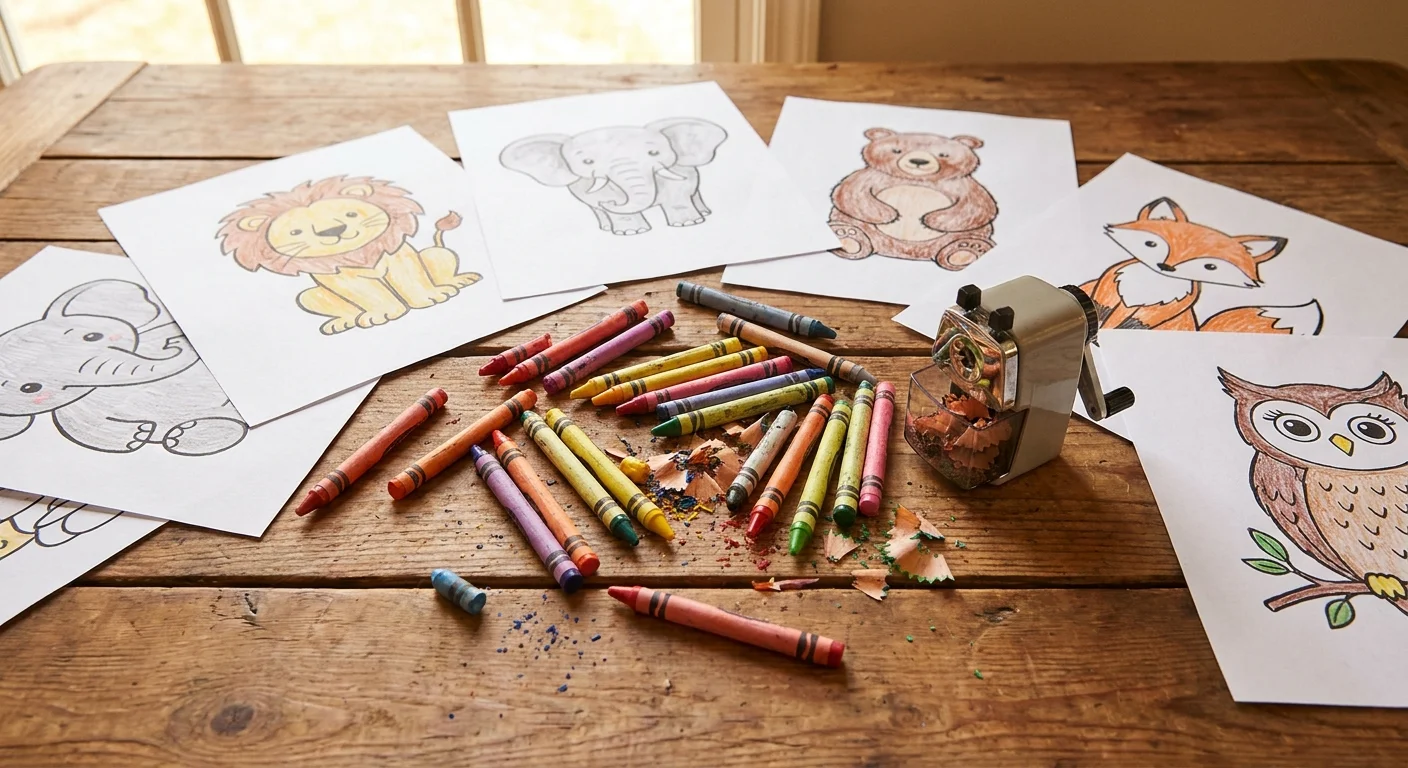
A box of crayons with the tips worn down to nubs sits in the middle of the table. Some are broken and the wrappers are peeling off, but they still work perfectly. You do not need expensive gadgets or high-speed internet to make this work. A simple set of tools is better because it doesn't require charging or updates. We suggest keeping a small bin of supplies ready so you can grab it as soon as the 'I am bored' complaints start. Having everything in one place makes it easier to start the activity before the child wanders off to find a screen. Physical supplies also teach a child how to take care of their things, like putting the caps back on markers or sharpening a pencil.
We recommend a clipboard if you are coloring on the couch or in the car. It provides a hard surface and keeps the paper from sliding around while the child works. You can print out a space scene with planets and stars and clip it right on. This makes the activity portable without needing a battery pack. If you are a teacher, having a stack of these pages ready in a folder is a great way to handle the gap between lessons. It gives the students something quiet to do that doesn't involve a loud device. The physical act of coloring helps them transition from a high-energy activity to a focused one without any extra stress.
- A box of twenty-four wax crayons
- A pack of twelve colored pencils
- A manual pencil sharpener with a lid for shavings
- A set of washable markers with fine tips
- A sturdy plastic clipboard
- A stack of white Letter or A4 printer paper
- A small plastic bin to hold all the supplies
Turning your own photos into art
An old photo of a family dog or a favorite tree from the backyard sits on your phone. You can upload that photo to the photo-to-coloring-page tool and it traces the outlines for you. This turns a digital memory into a physical activity that a child can participate in. They aren't just looking at a picture; they are recreating it with their own hands. This tool is great for making gifts for grandparents or friends. A child can color a photo of themselves and give it to someone they love. It feels more personal than a store-bought card because the child put time and effort into every stroke of the crayon.
You can use this for specific categories that the child already likes, such as unicorns or mandalas, by taking pictures of toys or patterns you find around the house. The tool handles the heavy lifting of drawing the lines so the child can focus on the colors. This is a great bridge between the digital world and the physical world. You use the technology to create the page, but the actual fun happens on the paper. It removes the frustration for children who want to draw something realistic but do not have the skills yet. They get a perfect outline every time and can spend their energy deciding if the dog should be brown, black, or even purple. It gives them a sense of success that keeps them coming back to the coloring bin.
The satisfaction of a finished page
A child holds up a completed page with a big smile on their face. The edges might be a little crinkled and the colors might go outside the lines, but the page is full. This sense of completion is hard to find in digital games that never truly end. When a child finishes a floral mandala, they can see the result of their hard work. They can hang it on the refrigerator or tape it to their bedroom door. It becomes a decoration and a reminder of what they did with their afternoon. This is a physical trophy that a digital app cannot replace. You can't hang a tablet on the fridge to show off a job well done.
We see parents use these pages to create a gallery wall in their homes. They use the different categories like letters and names to spell out words on the wall. This turns coloring into a long-term project that the whole family can see. It encourages the child to do their best because they know their work will be displayed. You can even use the JPEG download to print the same page multiple times so the child can try different color schemes. They might do one version of a dinosaur in greens and browns and another in bright blues and oranges. This helps them understand how colors work together without needing a screen to explain it to them. The paper holds the history of their choices and their effort in a way that a reset button never will.
Ready to Create Your Own?
Describe any idea and get a free, printable coloring page in seconds.
Try the Coloring Page GeneratorPick one page from the animals or dinosaurs category and print it out right now. Put it on the table with a few crayons and wait for the child to find it on their own. This simple move replaces a screen with a physical task that they can hold, finish, and keep.